Design Considerations for Commercial Deck and Porch Installations
People searching for commercial deck design are typically looking to ensure their project meets safety, durability, and aesthetic requirements, and local contractors can help optimize these design considerations for successful installation.
Understanding the design considerations for commercial deck and porch installations is essential for property owners aiming to enhance their outdoor spaces effectively. Whether for welcoming clients, providing functional outdoor areas, or increasing property value, thoughtful planning ensures that the final result is both attractive and durable. Property owners in the area often explore this topic to make informed decisions about materials, layout, and safety features, helping them create outdoor environments that meet their specific needs and stand up to local conditions.
Local contractors who specialize in commercial deck and porch design can offer valuable insights tailored to the unique requirements of each property. They can assist in evaluating factors such as traffic flow, structural integrity, and aesthetic appeal, ensuring that the outdoor space complements the overall property design. Keep reading to discover practical considerations that can influence the success of a commercial deck or porch project, and learn how experienced service providers can help turn those considerations into a well-designed outdoor area.
- Commercial deck design services are essential when planning for load capacity and safety considerations in high-traffic areas, with local contractors evaluating structural requirements accordingly. Porch installation projects often require careful planning of accessibility features and aesthetic integration, with service providers addressing these factors during the design process. When creating outdoor spaces for commercial use, local pros focus on weather resistance and durability to ensure long-lasting performance of decks and porches. For renovations or expansions, contractors assess existing structures and adapt design considerations to meet new functional needs and building codes. In new construction projects, service providers emphasize optimal layout and material selection to support both aesthetics and practical use, based on client specifications.
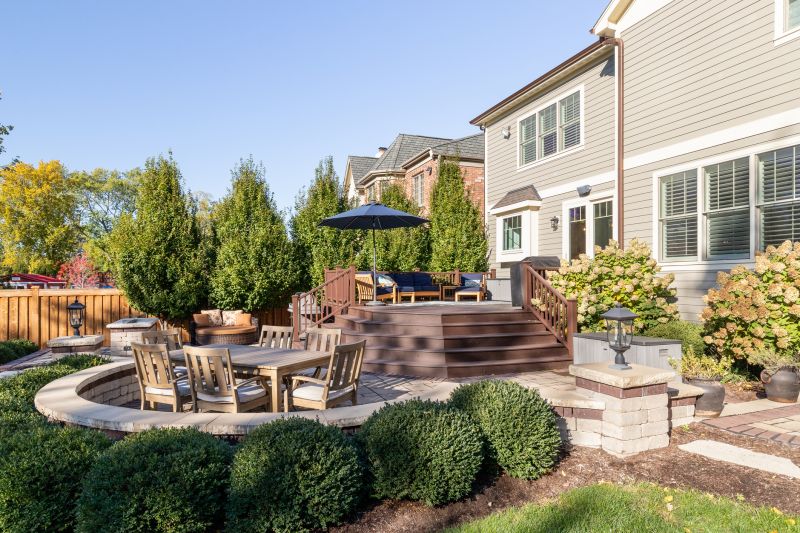
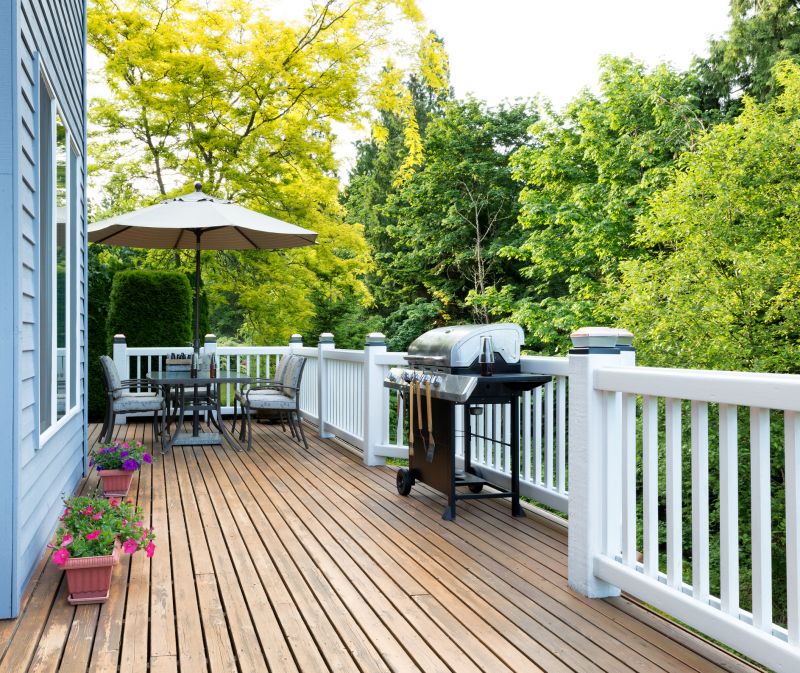
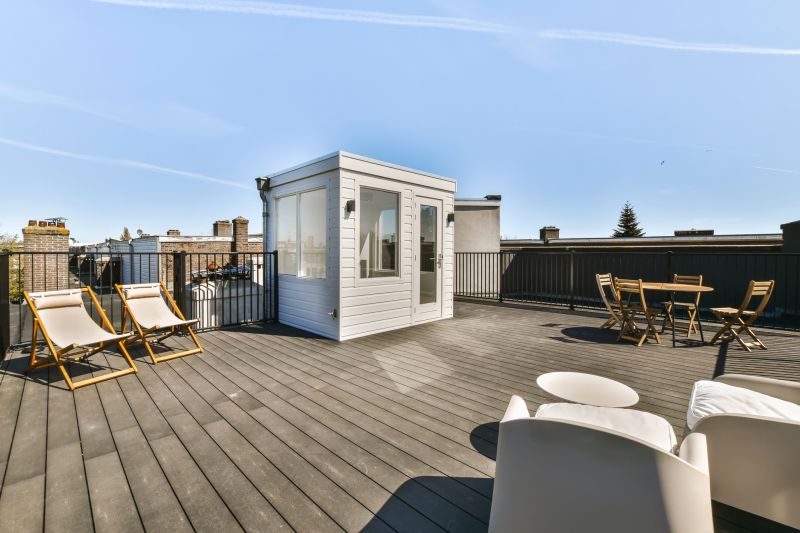
When searching for information on design considerations for commercial deck and porch installations, most homeowners are looking to understand how to create functional, attractive outdoor spaces that meet the needs of their business or property. These inquiries often relate to planning a new installation or upgrading an existing structure to improve usability, safety, and aesthetic appeal. Property owners may be considering how to incorporate features that enhance customer experience, provide accessible entry points, or maximize outdoor space for gatherings and events. They are typically interested in understanding the key factors that influence the overall design, including layout, materials, and compliance with local building standards, to ensure the project aligns with their specific goals.
Problems or plans associated with commercial deck and porch design often involve balancing durability with visual appeal, especially in high-traffic areas. Property owners may face challenges like choosing weather-resistant materials that withstand frequent use, designing layouts that optimize space for seating or movement, or integrating safety features such as railings and slip-resistant surfaces. Plans frequently include expanding outdoor seating for restaurants, creating welcoming entryways for retail stores, or establishing durable walkways and decks for office complexes. These projects require careful consideration of how the design will function in real-world conditions, ensuring that the finished installation can handle daily use without compromising safety or aesthetics.
The types of properties that typically come up in discussions about commercial deck and porch design range widely. Retail centers, restaurants, hotels, office buildings, and community facilities often seek to add or improve outdoor structures. These properties usually demand designs that are both visually appealing and highly functional to accommodate customer traffic and comply with accessibility standards. Smaller commercial properties, such as local shops or service providers, may also explore deck or porch options to create inviting entrances or outdoor waiting areas. Regardless of property size or purpose, the focus remains on developing a design that enhances the property's curb appeal while supporting its operational needs.
Local contractors who specialize in commercial deck and porch installations play a vital role in turning these design considerations into reality. They bring expertise in selecting appropriate materials, layout planning, and structural details that align with the specific requirements of each property. These service providers understand how to incorporate practical features like drainage, lighting, and accessibility into the overall design, ensuring the outdoor space is both durable and inviting. By working with experienced local pros, property owners can access tailored advice and quality craftsmanship that helps realize their vision while adhering to local guidelines and standards. This collaboration ultimately results in outdoor spaces that are well-designed, functional, and built to last.
Commercial stairway projects - these projects require careful planning of structural support and safety features, similar to design considerations for commercial decks and porches.
Outdoor railing installations - installing railings involves understanding load requirements and material selection, which are essential aspects of deck and porch design planning.
Patio and terrace construction - these projects share planning for ground-level or elevated surfaces, requiring similar skills in layout, materials, and structural integrity.
Facade and porch framing - framing projects focus on structural support and aesthetic integration, aligning with the design considerations for commercial deck and porch installations.
Covered entryway builds - designing and constructing covered entries involves planning for weather protection and durability, akin to porch design considerations.
Commercial canopy and awning projects - these installations require planning for load-bearing support and weather resistance, paralleling the design process for decks and porches.
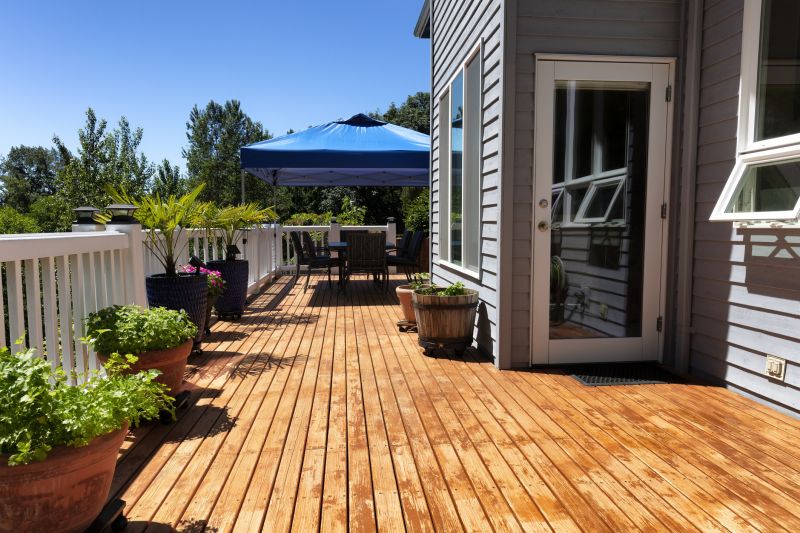
When comparing service providers for commercial deck and porch design considerations, it is important to evaluate their experience with similar projects. A contractor's history of working on commercial installations can provide insight into their familiarity with the unique requirements and challenges of these types of projects. Homeowners should look for local contractors who can demonstrate a track record of successful commercial deck design services, ensuring they have the practical knowledge needed to address factors like structural integrity, safety standards, and aesthetic considerations specific to commercial settings.
Clear written expectations are essential when selecting a contractor for commercial deck and porch installations. Pros who provide detailed proposals and project plans help ensure all aspects of the design considerations are understood upfront. This transparency can prevent misunderstandings and make it easier to compare different service providers based on their scope of work, materials, and design approach. Homeowners are encouraged to seek out local contractors who communicate their process clearly and are willing to outline how they will address the key elements of commercial deck design.
Reputable references and good communication are critical factors to consider when evaluating local service providers. Contractors with positive references from previous clients can offer reassurance about their professionalism, reliability, and ability to meet project expectations. Additionally, effective communication throughout the design process helps ensure that the homeowner’s vision and requirements are understood and incorporated into the final plan. By focusing on these aspects, homeowners can find local pros who are capable of managing the complexities of commercial deck and porch design considerations with competence and clarity.
Property owners often search for design considerations for commercial deck and porch installations when they are planning practical projects around their homes and businesses. Local pros provide Commercial Deck Design services for everyday jobs and straightforward project options.
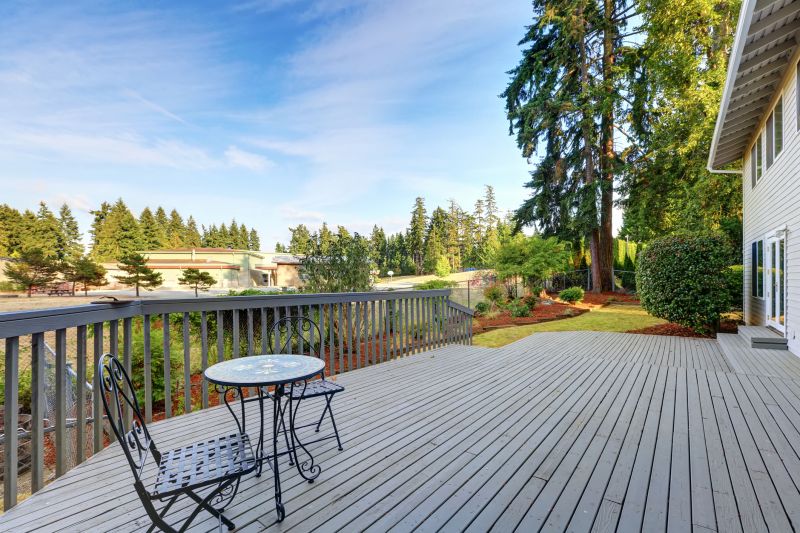
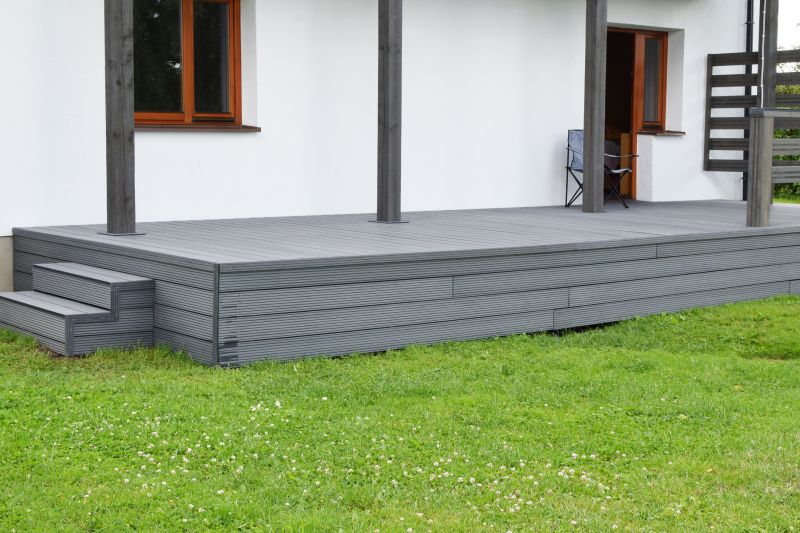
When planning for commercial deck and porch installations, property owners often consider practical aspects such as durability, safety, and functionality. These everyday project situations might lead owners to explore design considerations that ensure the space can withstand frequent use and various weather conditions. Local contractors who specialize in commercial deck design can help evaluate factors like load capacity, slip resistance, and accessibility to create outdoor spaces that meet the needs of businesses and their customers.
Many property owners also think about the aesthetic appeal and how the design complements their property’s overall look. Simple yet effective design considerations can enhance curb appeal and provide a welcoming environment for visitors. Local service providers experienced in commercial deck and porch design can assist in selecting appropriate materials, layouts, and features that align with the property's purpose and style. Connecting with these local experts can help ensure the outdoor space is both attractive and functional for everyday use.
What are key design considerations for commercial deck and porch installations? Important factors include load capacity, durability of materials, accessibility, safety features, and aesthetic integration with the building. Local contractors can help ensure these considerations meet code requirements and business needs.
How does space planning affect commercial deck and porch design? Effective space planning involves optimizing layout for foot traffic, outdoor furniture placement, and functional zones. Local service providers can assist in creating designs that maximize usability while maintaining safety standards.
What materials are suitable for commercial decks and porches? Common materials include treated wood, composite decking, metal, and concrete, chosen for their durability and maintenance needs. Local pros can advise on the best options based on environmental conditions and usage demands.
How do safety and accessibility influence design choices? Features such as slip-resistant surfaces, handrails, ramps, and proper lighting are essential. Local contractors can incorporate these elements into the design to meet safety and accessibility requirements.
Why is integration with existing structures important in commercial deck design? Seamless integration ensures structural stability, aesthetic cohesion, and functional complementarity with the building. Local service providers can help coordinate design elements for a cohesive and practical installation.
Material selection - Choosing durable, slip-resistant materials ensures safety and longevity for commercial decks and porches, especially in high-traffic areas, when working with local contractors.
Design layout - Planning an accessible and functional layout helps property owners maximize space and meet building codes with guidance from local pros.
Structural support - Considering load-bearing requirements and proper support systems is essential for safety and stability, and can be addressed by experienced local contractors.
Aesthetic integration - Incorporating design elements that complement the property's architecture enhances curb appeal and functionality, with input from local pros specializing in commercial projects.
If you are thinking about design considerations for commercial deck and porch installations for a property, this guide is meant to help you understand this topic, the typical project types, and how different options might fit your plans.
When you are ready, you can use the quote form on this page to share a few details about your project. From there, local pros can review the basics and follow up with options that match what you have in mind.